

PARCHMENT TREASURE
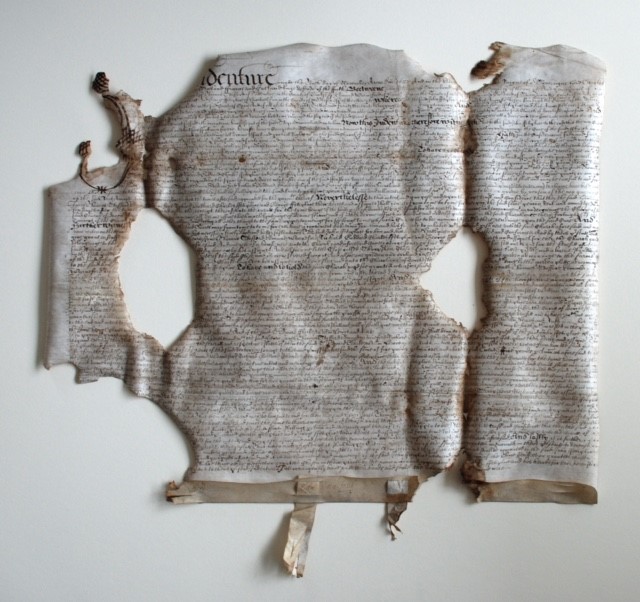
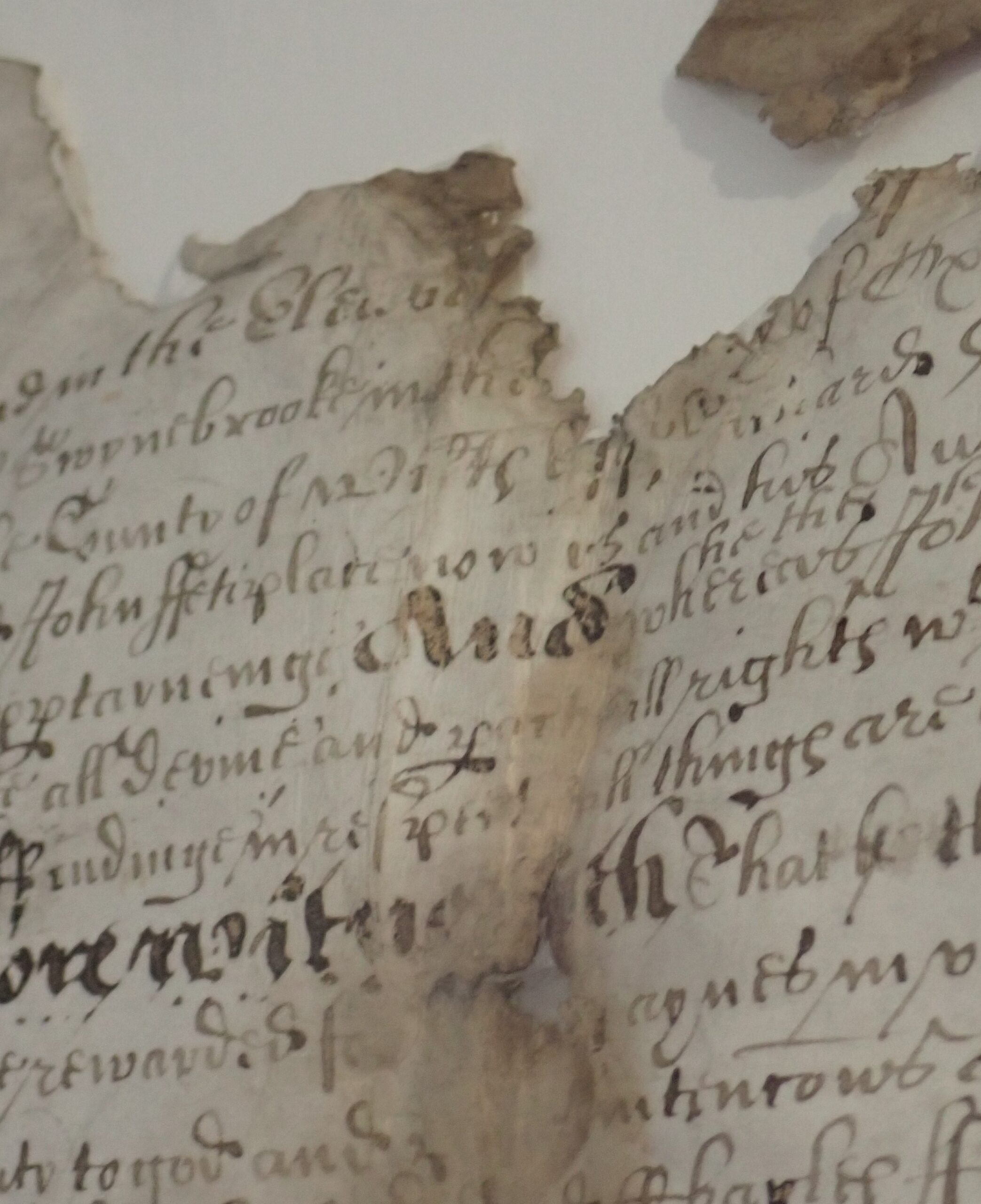
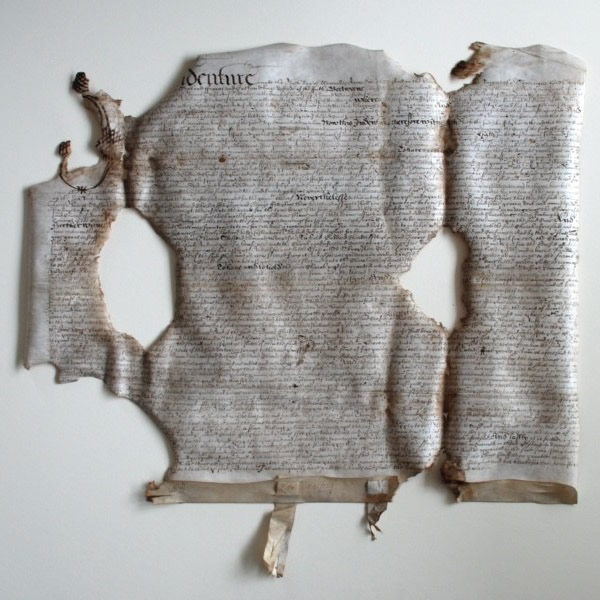
As you enter the museum, you might easily walk past a framed piece of parchment with big holes, burnt-looking edges and almost illegible text, but this 1635 legal document (an indenture or pledge – the Fettiplace Indenture) is important in Dorchester’s history. John Fettiplace from Swinbrook, west of Oxford, who owned the building, wanted local children to be educated. The document covers his gift of money and a small cottage so that a schoolmaster could be employed and housed. The school, where the museum is now located, opened in 1652. The museum today resembles a school room with desks (one has a copy of the first school register) and you can even see a place where children would have put their pens and pencils in tiny drawers set into a wooden pillar. Click here to visit Our Building page. It is remarkable that the indenture has survived and that we have this legacy of education in the building itself. A full transcription is available in the Museum.
ROMAN TREASURE

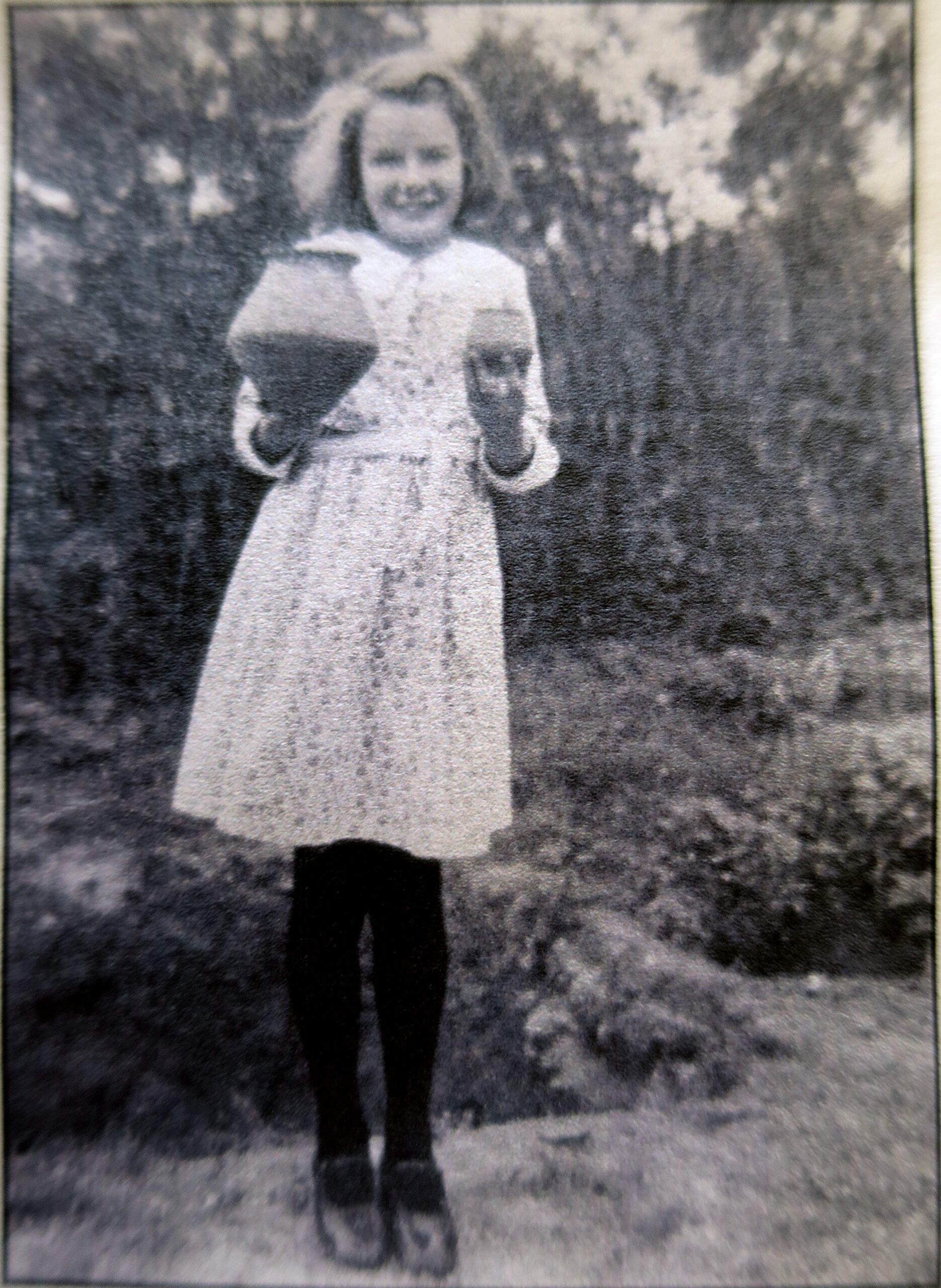
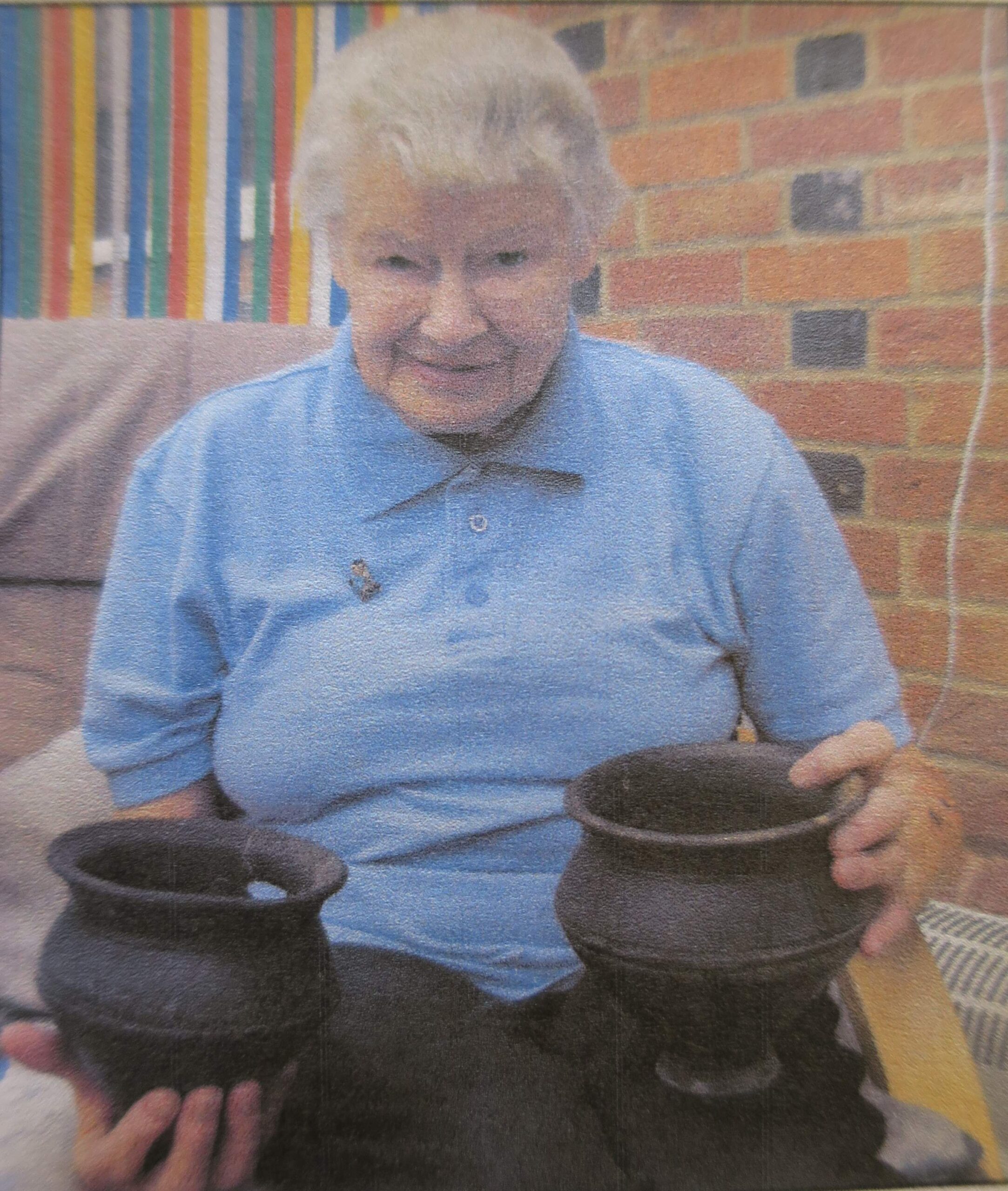

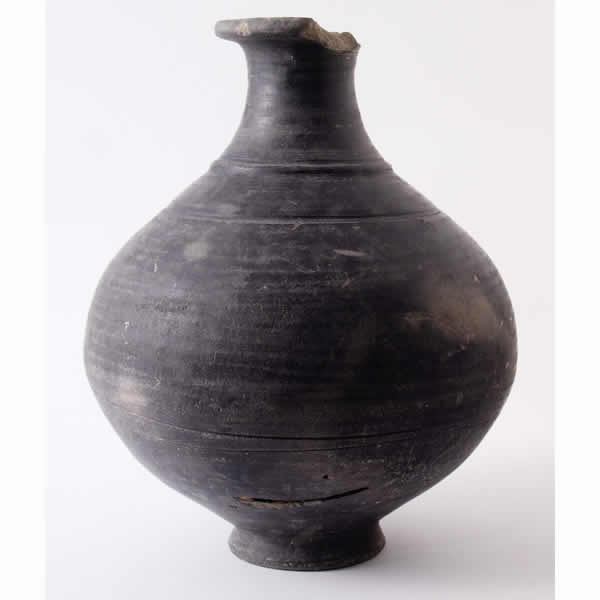
Pottery was very important to the Romans, and we have many examples of Roman pottery in our collection. One of our treasures is this lovely, almost intact Roman pot, discovered in Dorchester in the 1930s.
Pots found locally were generally made from local clay, often in the many kilns around Oxford and in nearby Berinsfield. Some were highly decorated and used for show, while others were the Roman equivalent of our glass jars or plastic pots, used for more practical purposes, such as storage of food, drink and medicines. Larger pots were sometimes used for cremated human remains.
Our pot lay underground for centuries, found with others when a pit was being dug behind the Tegg family’s garage on the High Street, on a probable Roman cemetery site. Most of these pots went to the Ashmolean Museum in Oxford, but three were kept by the family and were donated to the museum by Mrs Lucy Hilleard (nee Tegg) in 1988. Dorchester’s Roman heritage is never far away and only inches under the soil. Who knows what might be discovered next?
MENACING TREASURE
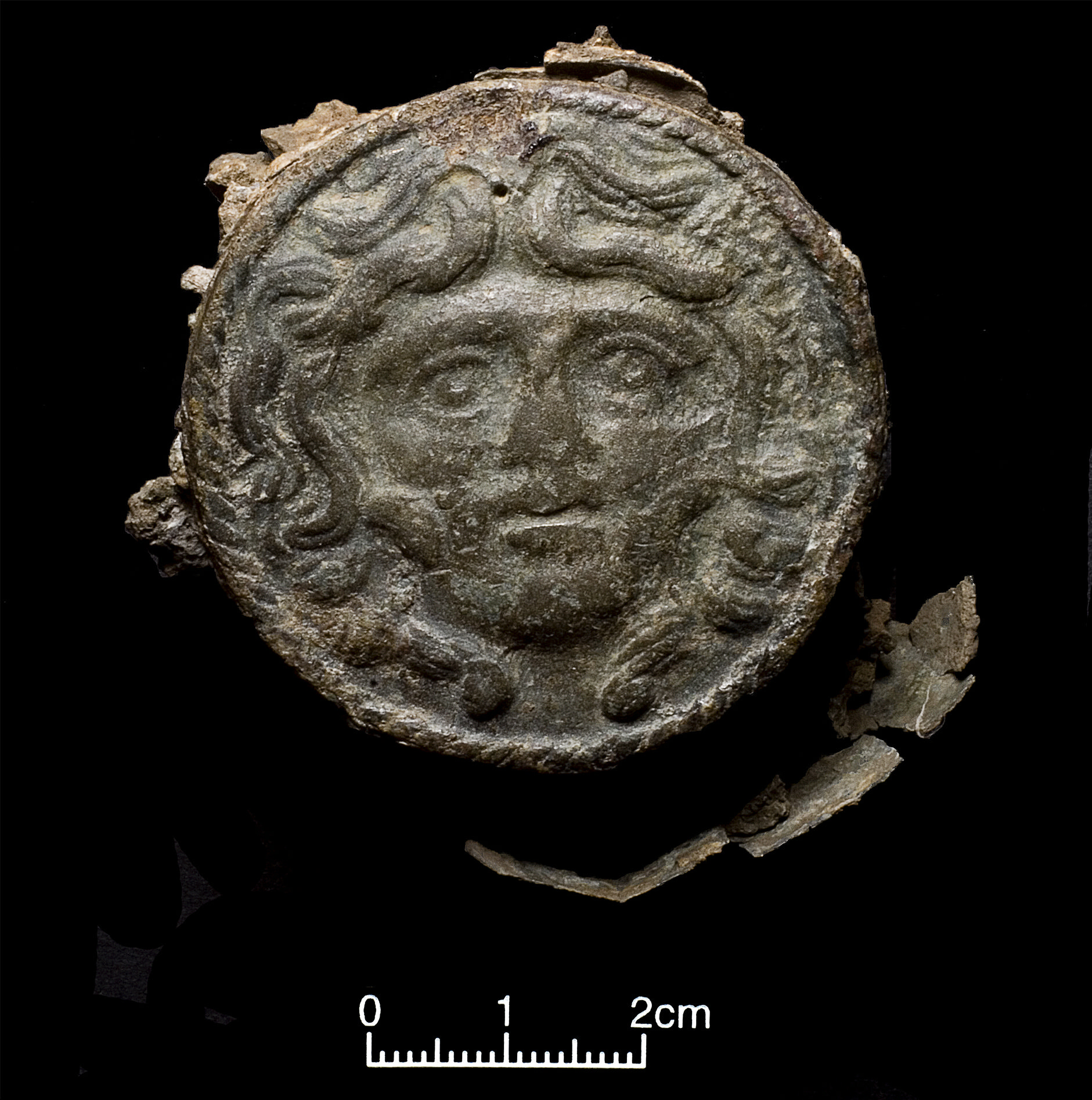
Image reproduced with thanks to Oxford Archaeology
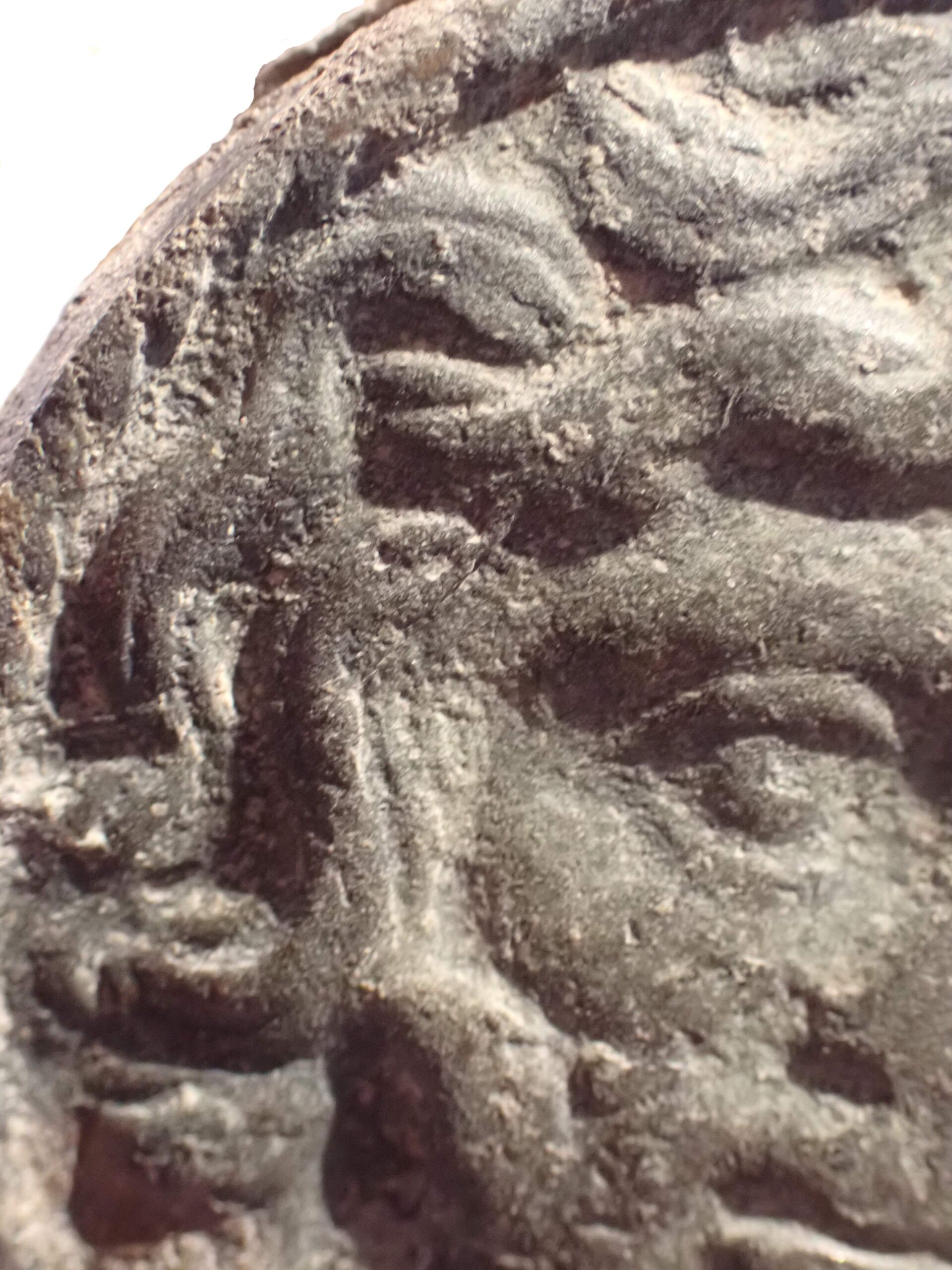
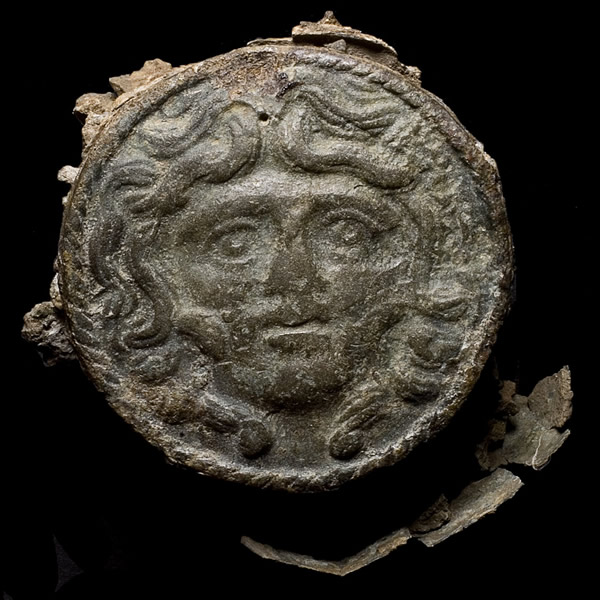
Dorchester has a rich Roman history, but one of our treasures dating from the Roman period, a detailed medallion made of copper alloy and lead, shows links to a myth of ancient Greece. It is engraved with the image of Medusa.
In Greek mythology, Medusa was a gorgon and is usually pictured as a woman with living snakes on her head, so hideous that anyone who looked upon her was turned to stone. She met a nasty end when the Greek hero Perseus chopped off her head and used it as a weapon – even in death she could still turn onlookers into stone.
Medusa’s image was thought to be a charm, a symbol to prevent bad luck, a modern evil eye. The myth of Medusa was adopted by the Romans, and often used in their art, such as mosaics. Our Medusa is made of copper alloy and lead, and was found in 2009 on the Dorchester Hempcroft allotments, but her exact purpose is still not known. She is especially popular with visiting school groups.
SILVER TREASURE
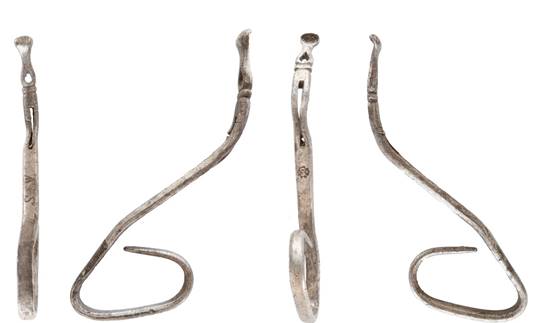
Image courtesy of the Portable Antiquities Scheme
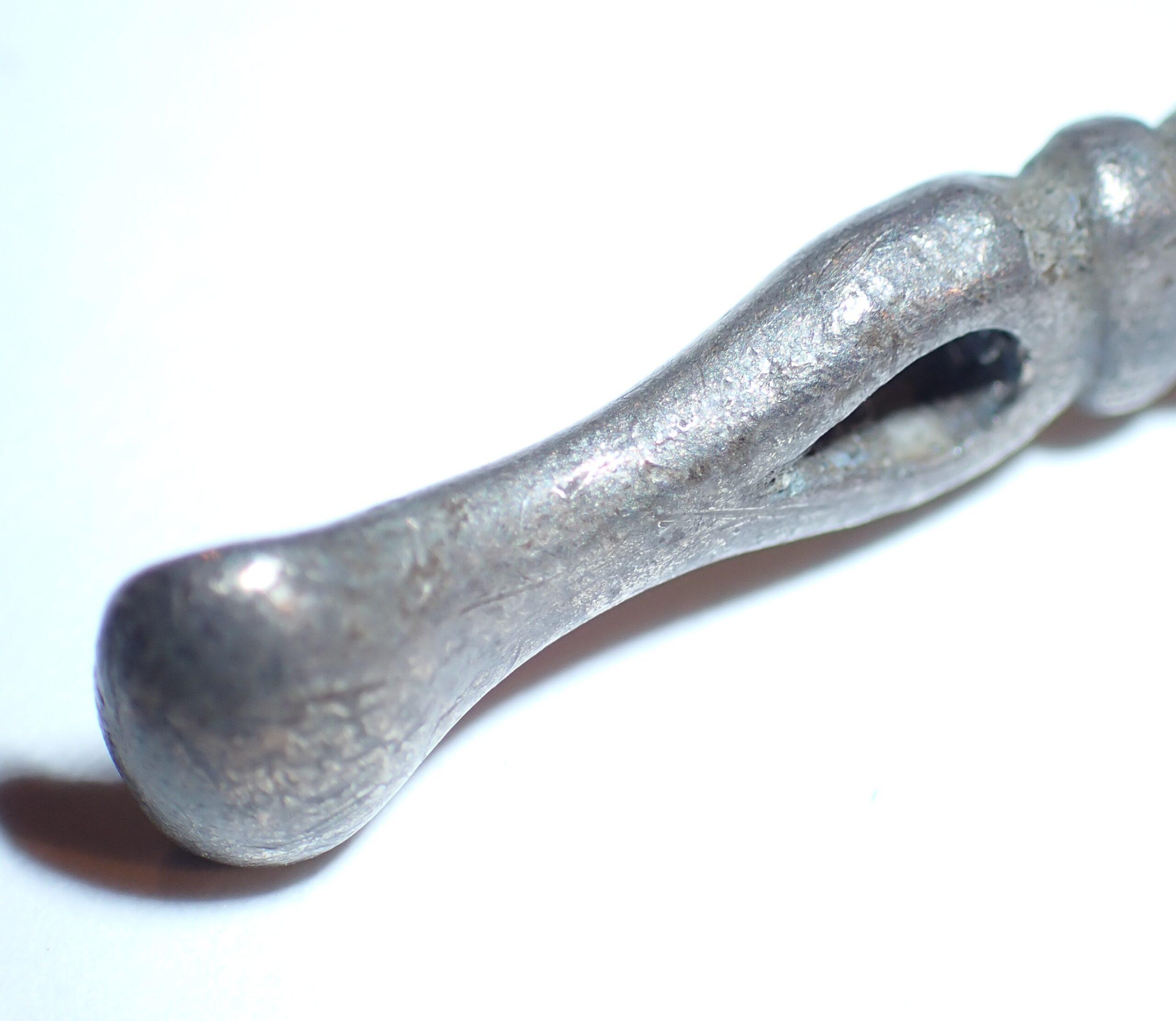
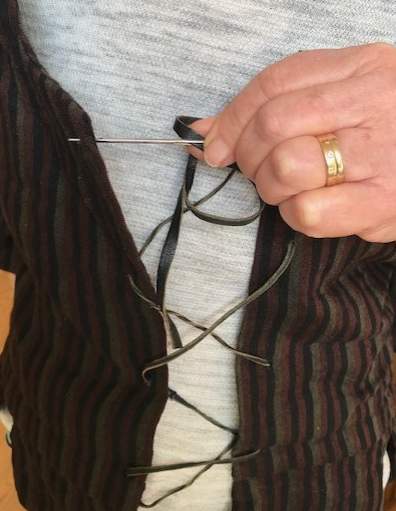
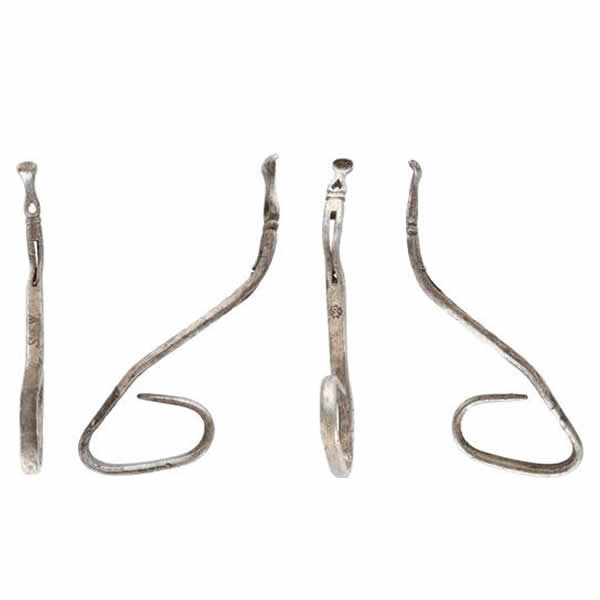
Not everything we have found has come from the Romans! One of our treasures probably dates from 1500-1700 and is a silver bodkin. A bodkin is like a very large sewing needle, with a hole at one end for the thread, and ours has a curled handle to help hold onto it when working. Bodkins were usually a woman’s tool, used to thread laces through corsets, or used by men to create leather items, aprons or shoes.
Our bodkin was found in a Dorchester field in October 2019 and purchased by the Museum in 2023. It has initials on it: ‘S*W’ is marked on one side, with the maker’s mark ‘D S’ and a pointed star on the other side, but neither the maker nor the owner has been identified. This would have been an expensive item to create and must have been highly valued by its owner. Was it lost, dropped or even stolen? Someone will have been upset to lose it.
LEATHER TREASURE
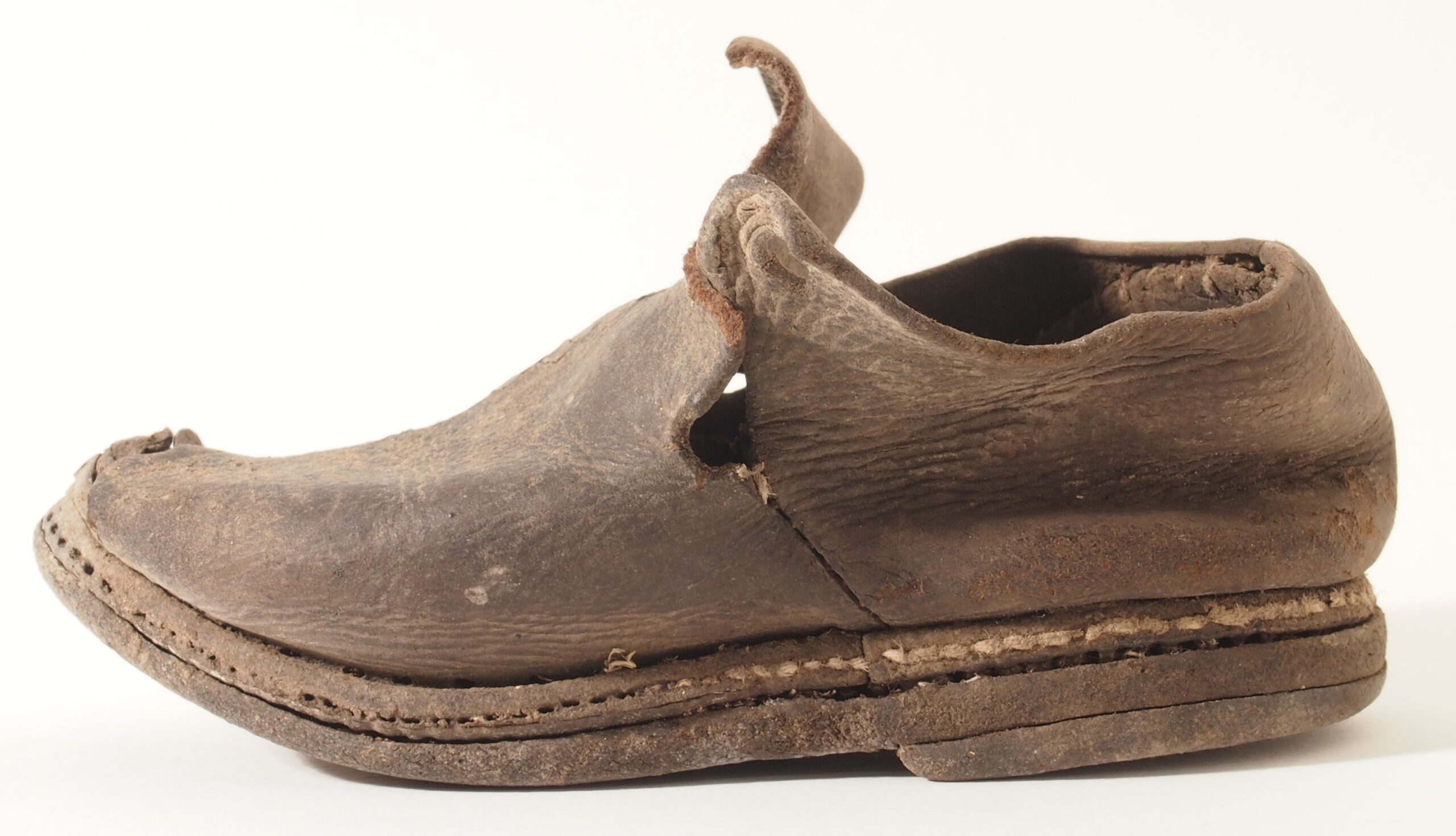
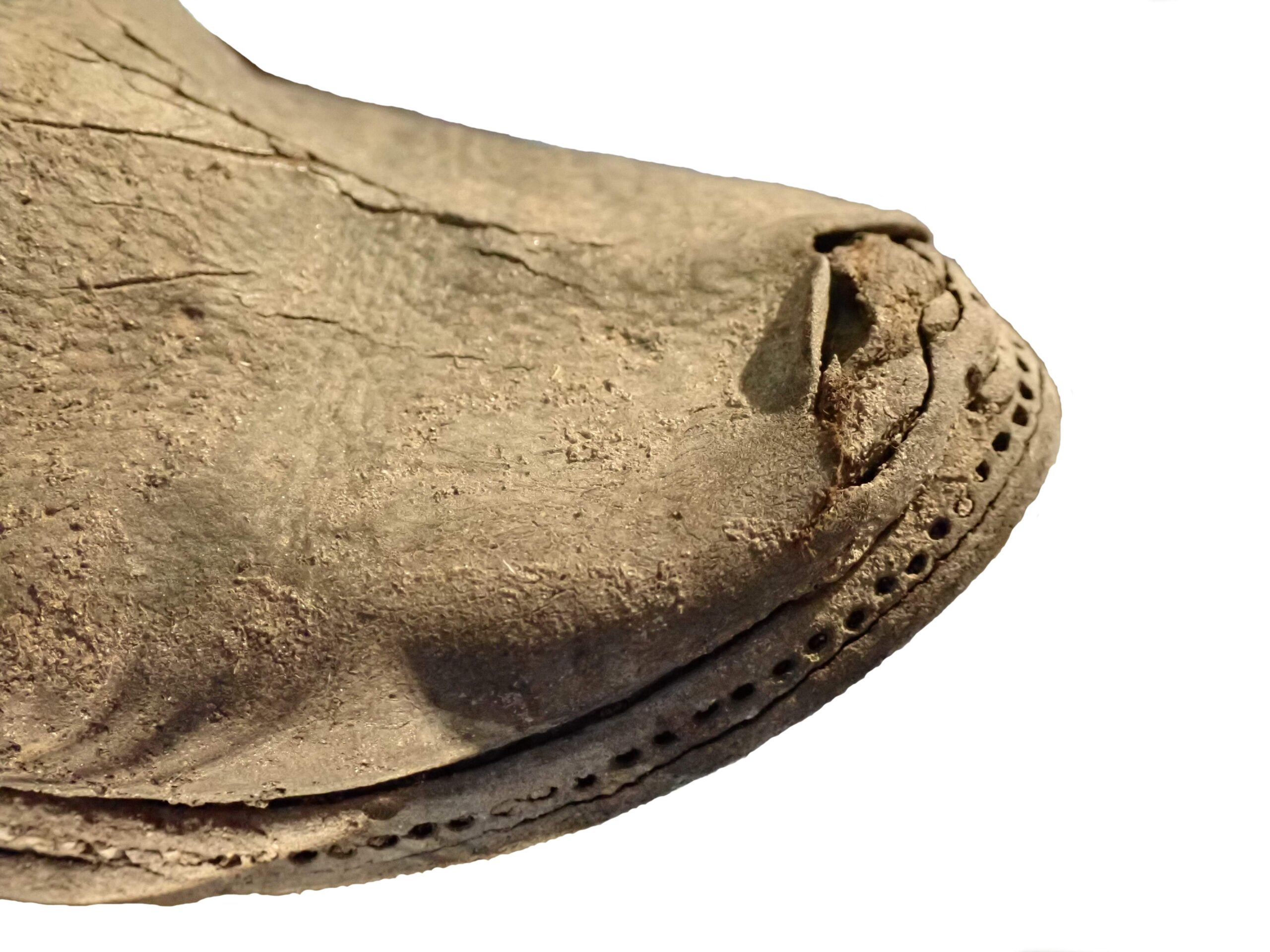
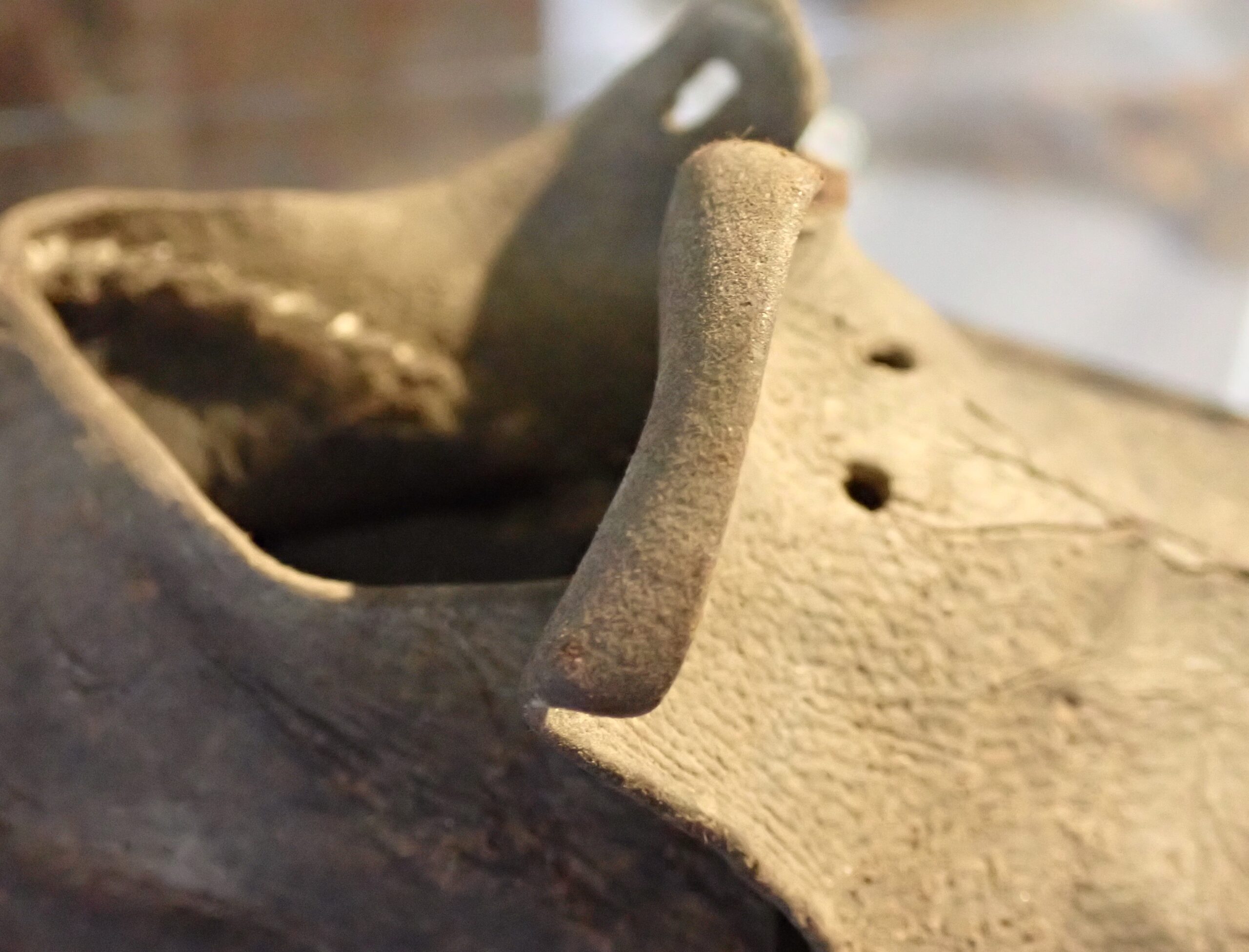
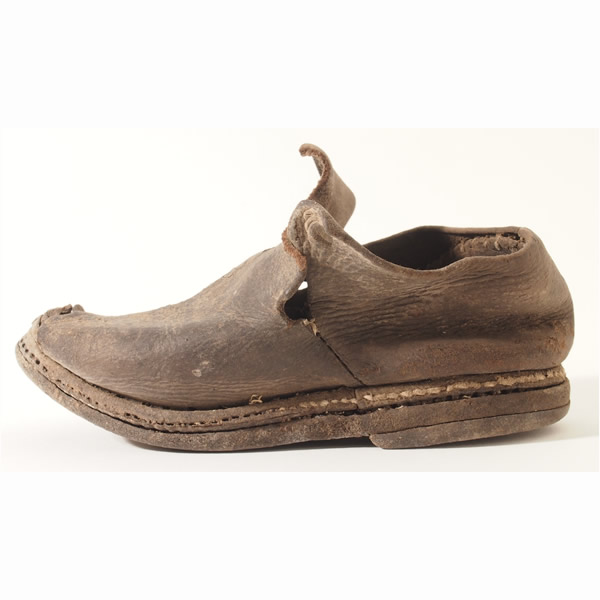
This treasure is an ordinary-looking leather shoe, made for a young child around 1640-50, and in very good condition, considering the amount of wear it would have had. This design is known as a ‘latchet tie’ shoe, with a high tab/tongue for the lace, and a double sole and stacked leather heel, all hand sewn. It was found during renovation work in 1979 behind the wall of a house in Dorchester High Street, most likely hidden by the original builders. This was a common practice, with the shoe once regarded as having the power to stop evil influences (such as witches) or bad luck, but nowadays considered to have been connected to ideas of good luck and hope.
So, this simple item of footwear provides a wonderful connection to ancient beliefs and customs. Many examples of this type of ‘charm’ exist in the UK. The Northampton Museum and Gallery houses Britain’s largest collection of similar types of ‘charms’. To find out more you can visit their website – www.northamptonmuseums.com
CHINA TREASURE
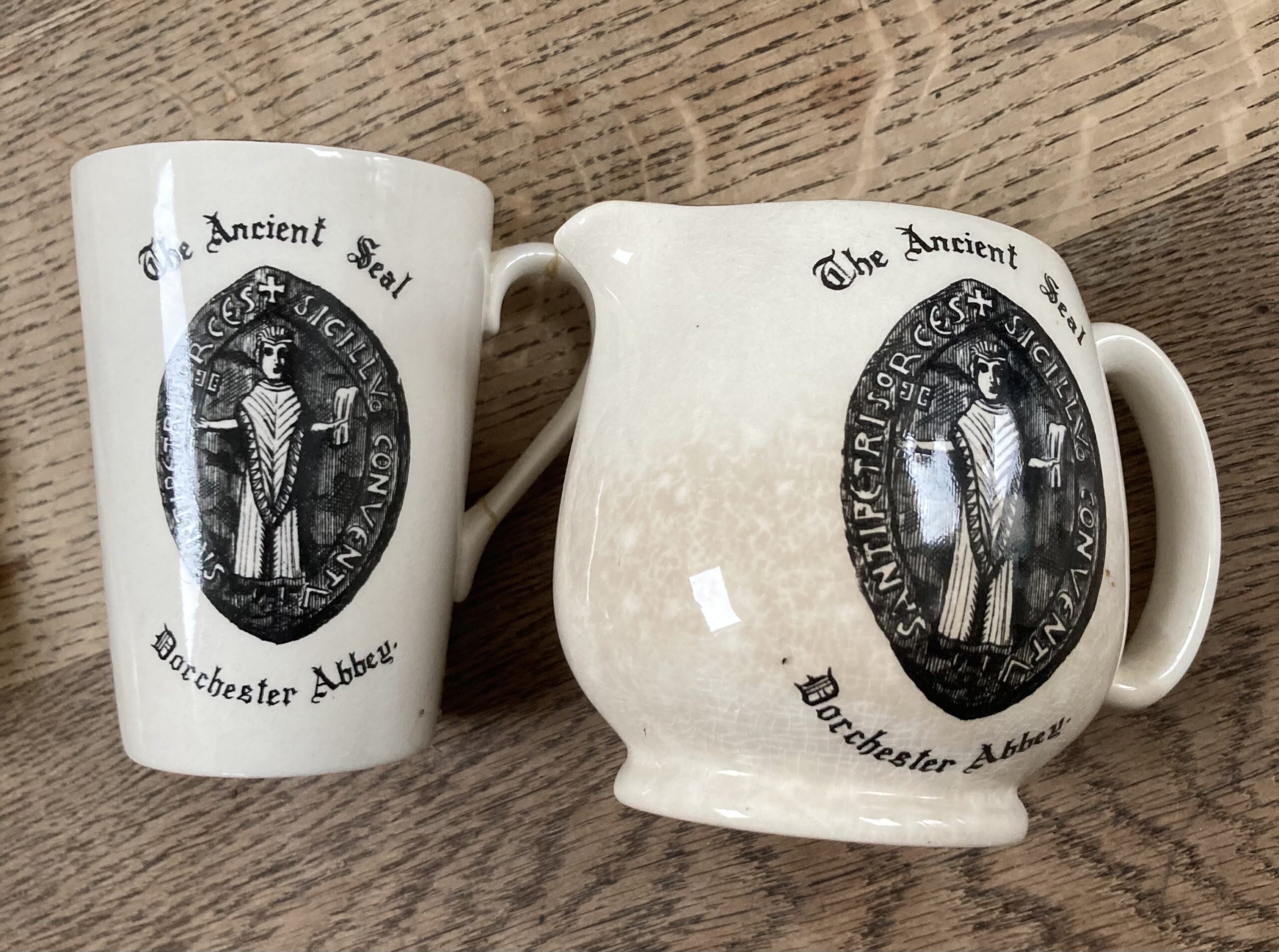
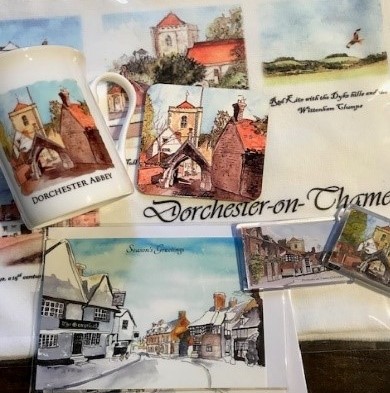
Some of our more modern treasures have been collected as souvenirs of a visit to Dorchester, following a custom that dates back to earlier times of Christian pilgrimage, for example, pilgrims returning from Canterbury or Santiago de Compostela collected metal badges to wear on their cloaks.
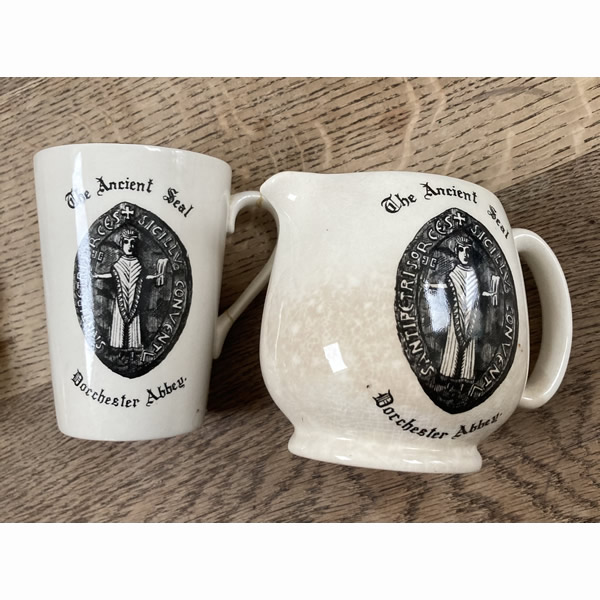
In 1960 Edith Stedman, the founder of Dorchester Abbey Museum, commissioned a range of chinaware from a pottery in Burton-on-Trent, in Staffordshire, to celebrate the opening of the Museum and to be sold as collectors’ items in the new museum shop. They portray the great seal of Dorchester Abbey, the symbol of a bishop or an abbot. This china proved very popular for both residents and visitors, and the museum has several donated pieces in its collection. The souvenir tradition continues to this day – come and buy modern chinaware depicting Dorchester scenes, and other treasures, in our Museum Shop!
GLASS TREASURE
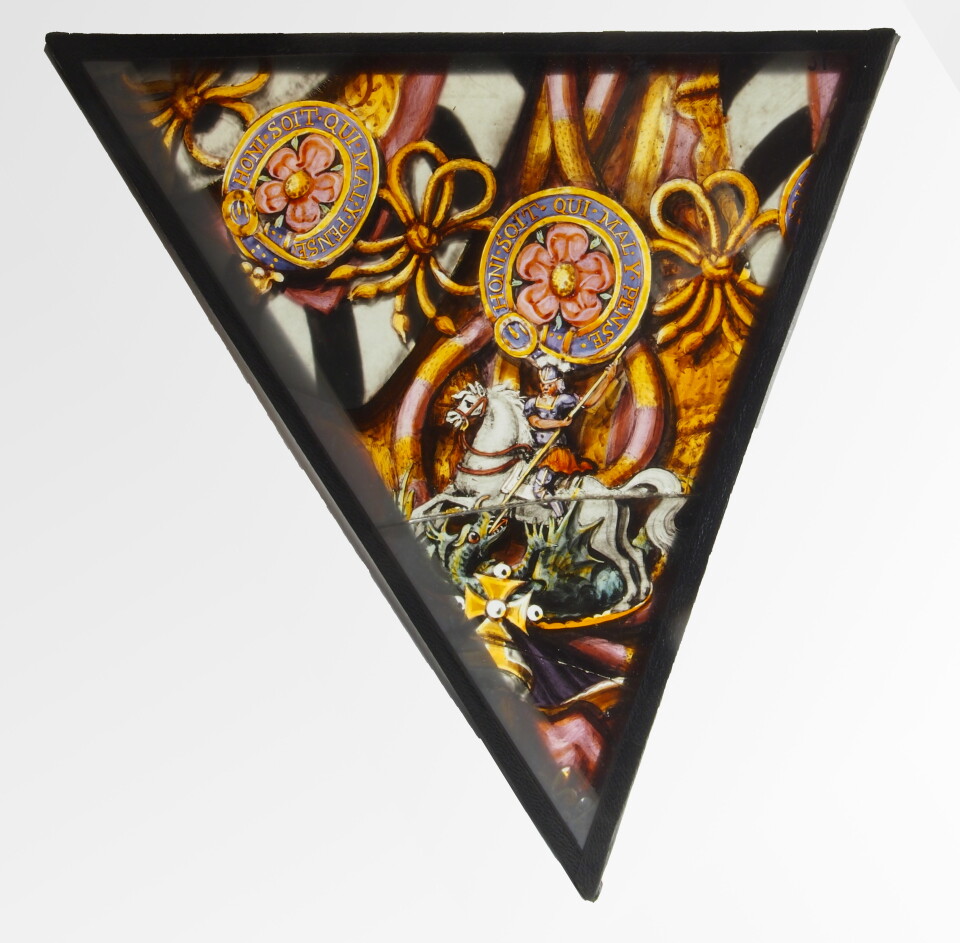
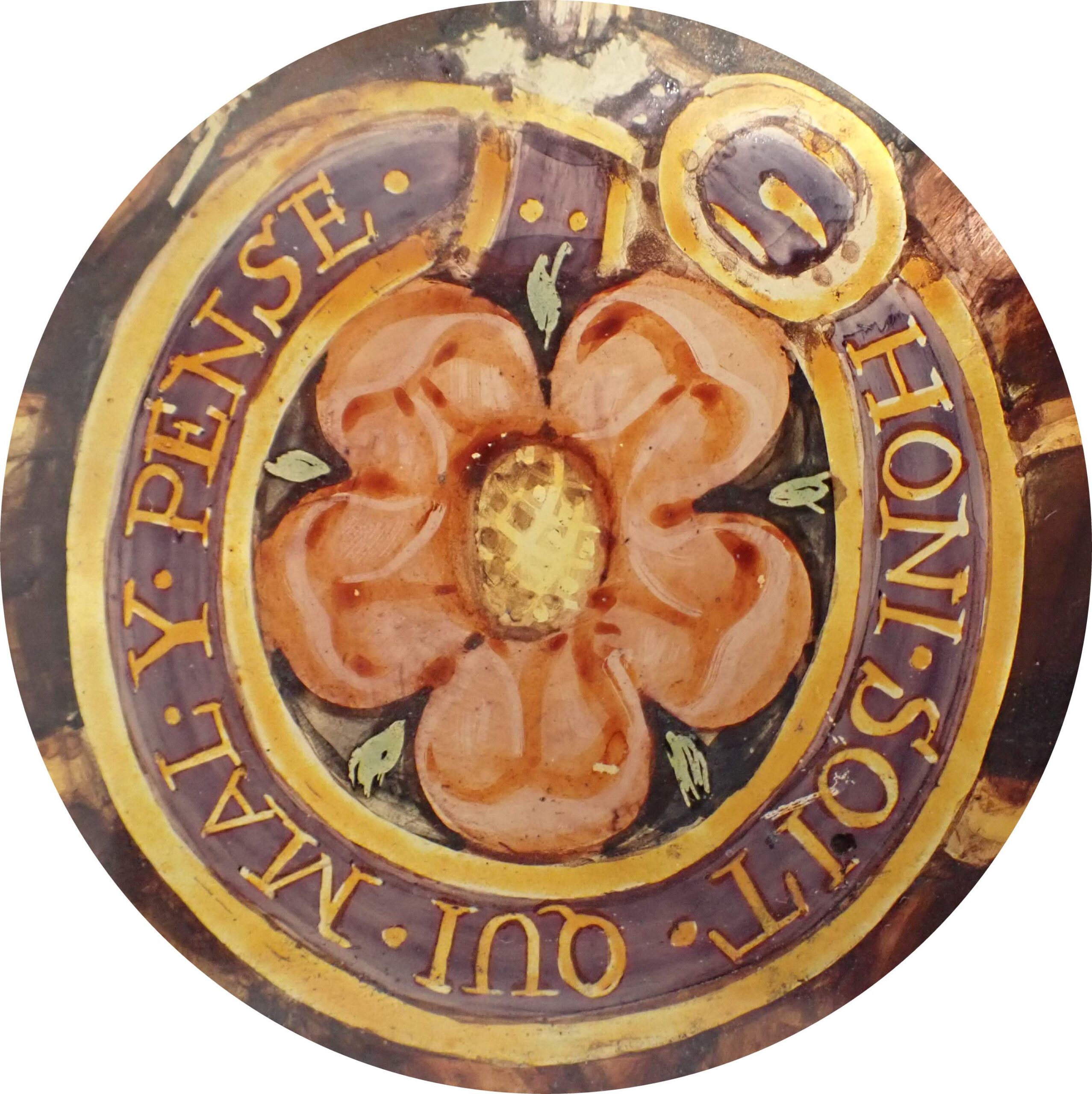
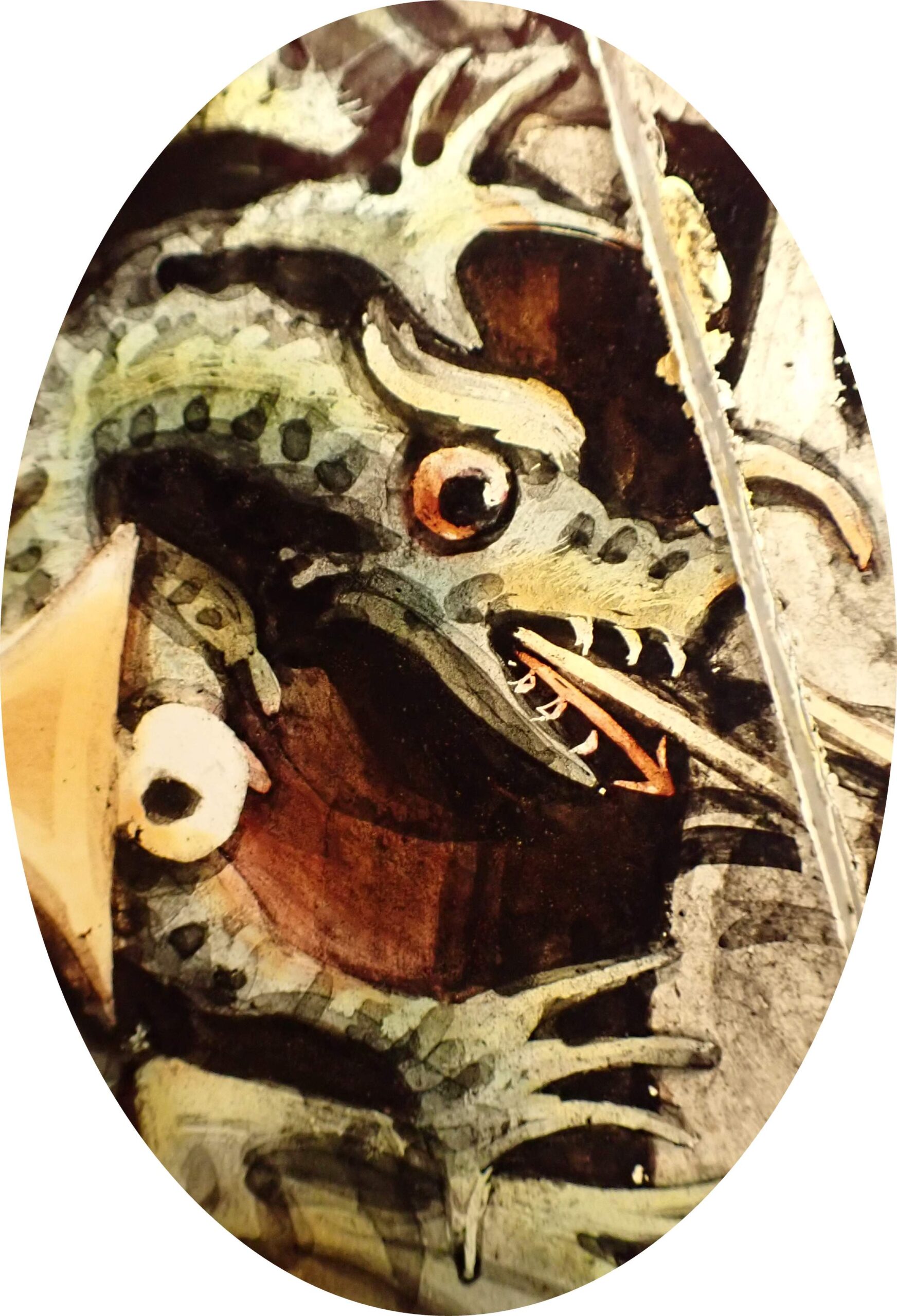
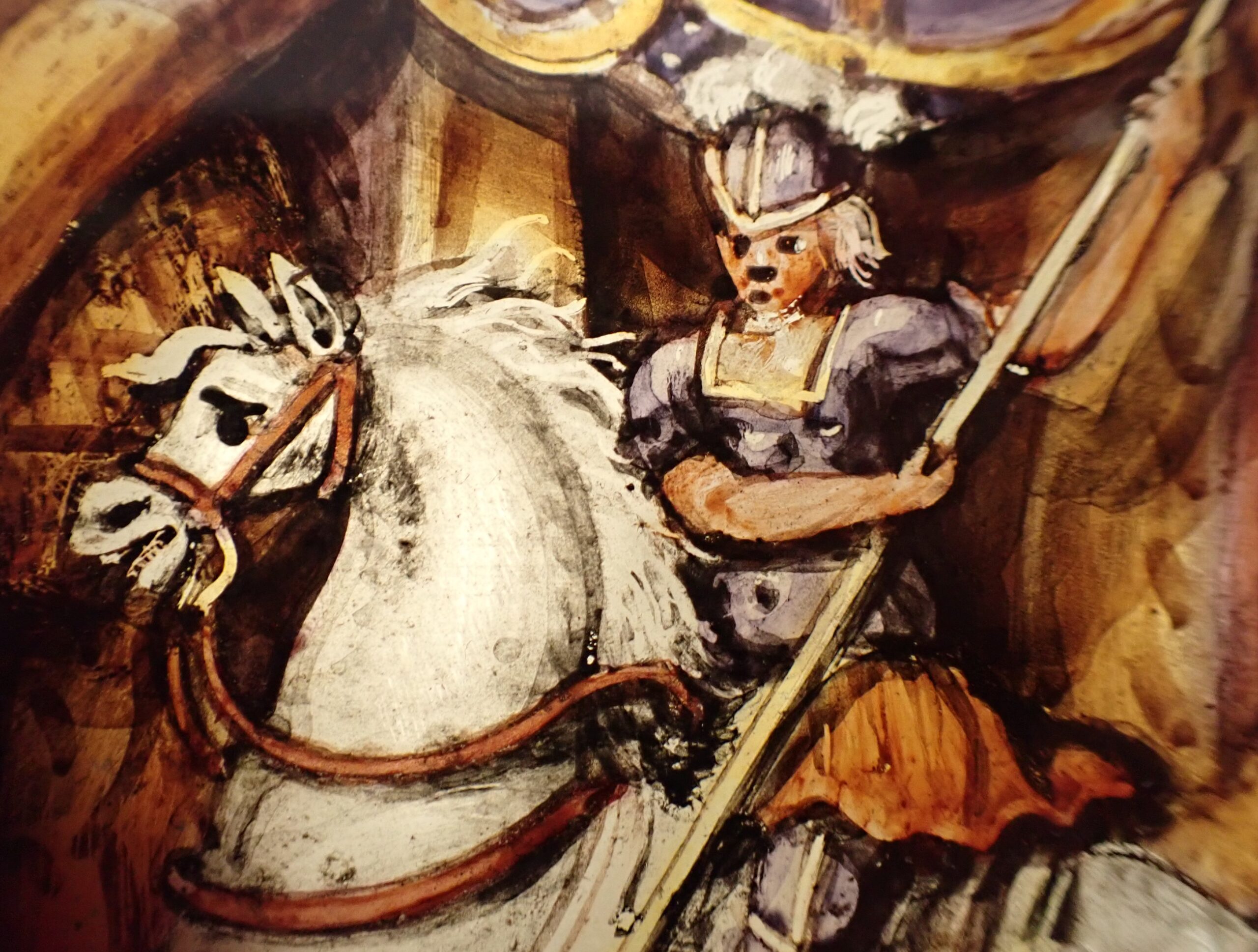
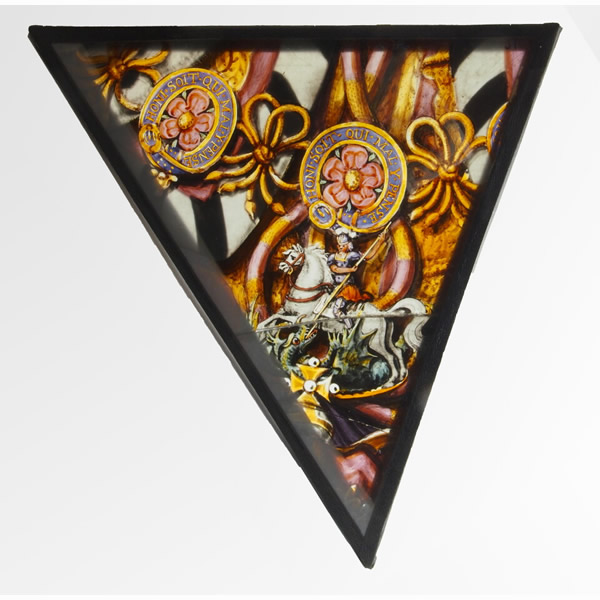
This beautiful lead and glass treasure was until recently a complete mystery, and we still do not know its origins, who gave it to the Museum, or who made or painted it. It shows a soldier on horseback and he is fighting – is it a dragon? Could it be St George and the Dragon? Its inscription, ‘Honi soit qui mal y pense’ (‘Shame be to him who evil thinks’), is the motto of the British chivalric Order of the Garter, so could there be a royal connection? Recent advice from an Oxford academic has helped answer some of our questions. It is very high quality, and probably dates from the 18th century. It shows the collar and badge of the Order of the Garter (or ‘Great George’), with possibly a crown and sceptre, and might have come from a larger window showing the Royal Arms. Expensive to create, it is likely to have been made for a public building or residence. Whatever its history, we can still see it was beautifully painted and is a little work of art.
STONE TREASURE
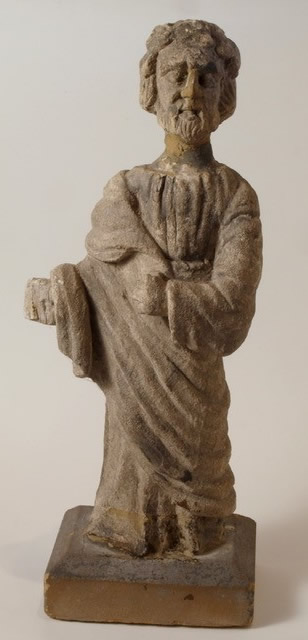
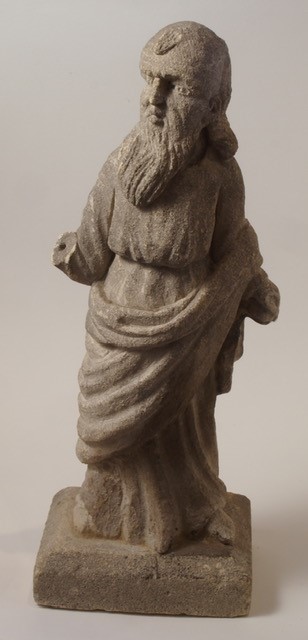
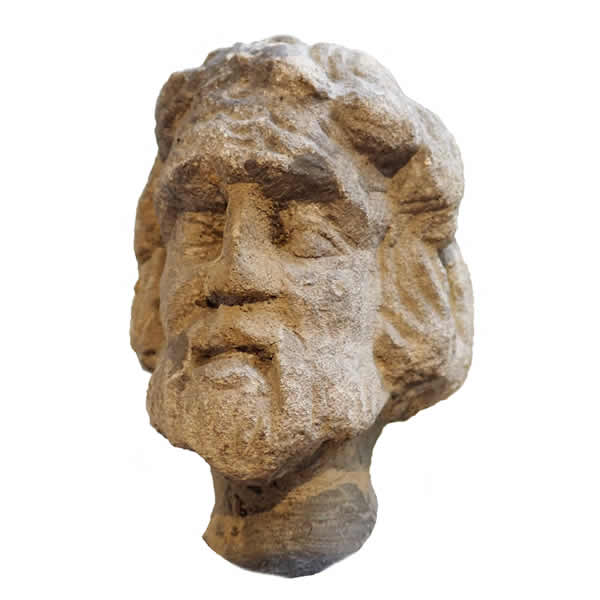
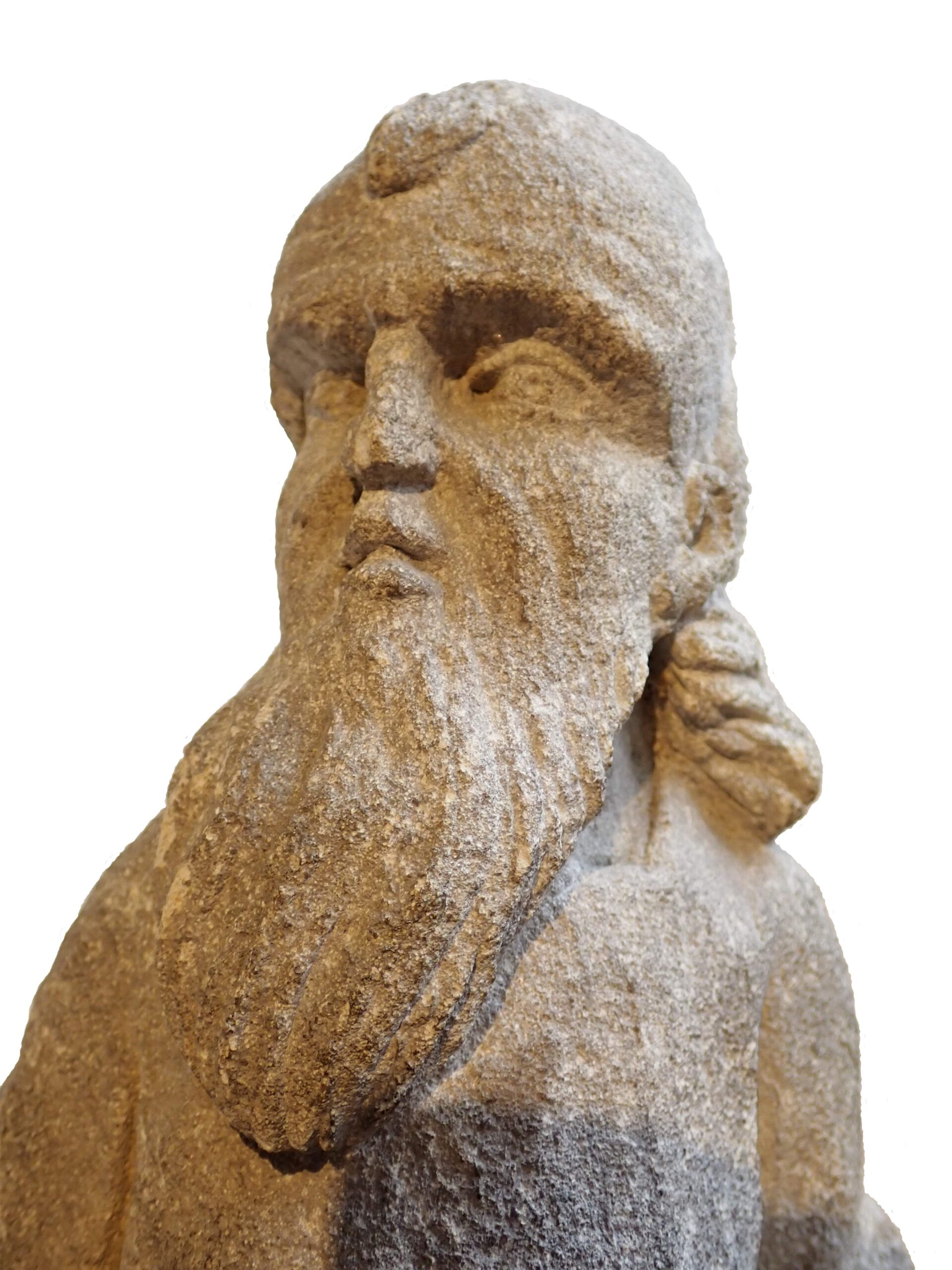
Recounting Dorchester Abbey’s early history depends not on words or documents left over from its past, but on the evidence of its buildings and stonework.
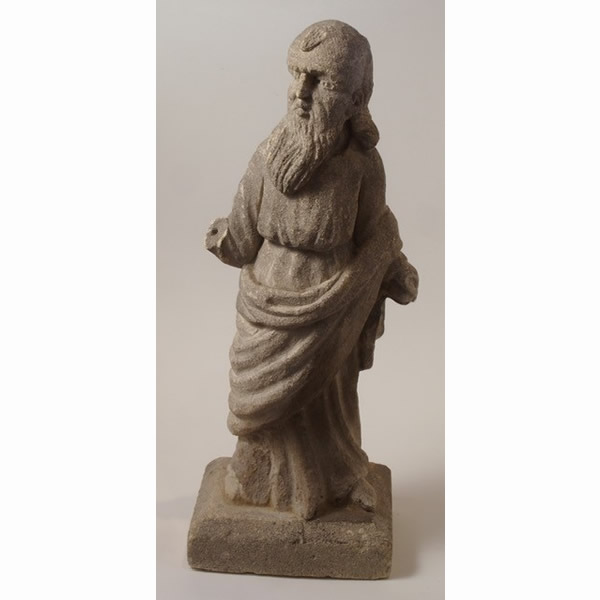
The Cloister Gallery in the Abbey traces the Abbey’s history up to 1535 through its stones, many from long-since destroyed monastic buildings. In the museum we have two very small stone treasures on display that we believe are medieval, representing St Peter and St Paul, both important in the story of Christianity, and the Patron saints of Dorchester Abbey itself.
Having somehow survived the Reformation of 1535 and the 17th-century English Civil War, both statues are in extremely good condition, apart from missing hands. St Paul has a bald head and flowing beard, while St Peter has curly hair and a short, square beard. They are not mentioned in any written accounts of the Abbey, and no records of statues survive, so we can only wonder about their original locations. Today, they overlook the museum from the window, or monk’s seat, from where alms from the monastery were given out to the poor.
OLDEST TREASURE
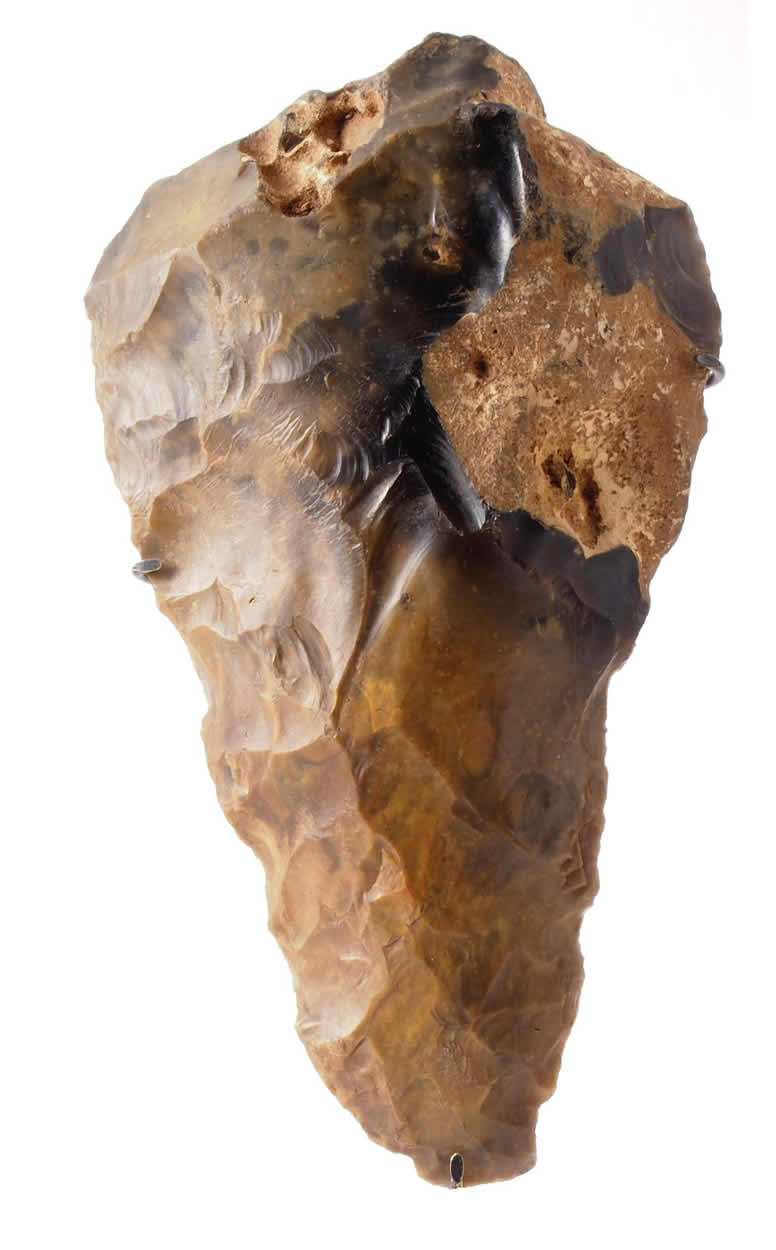
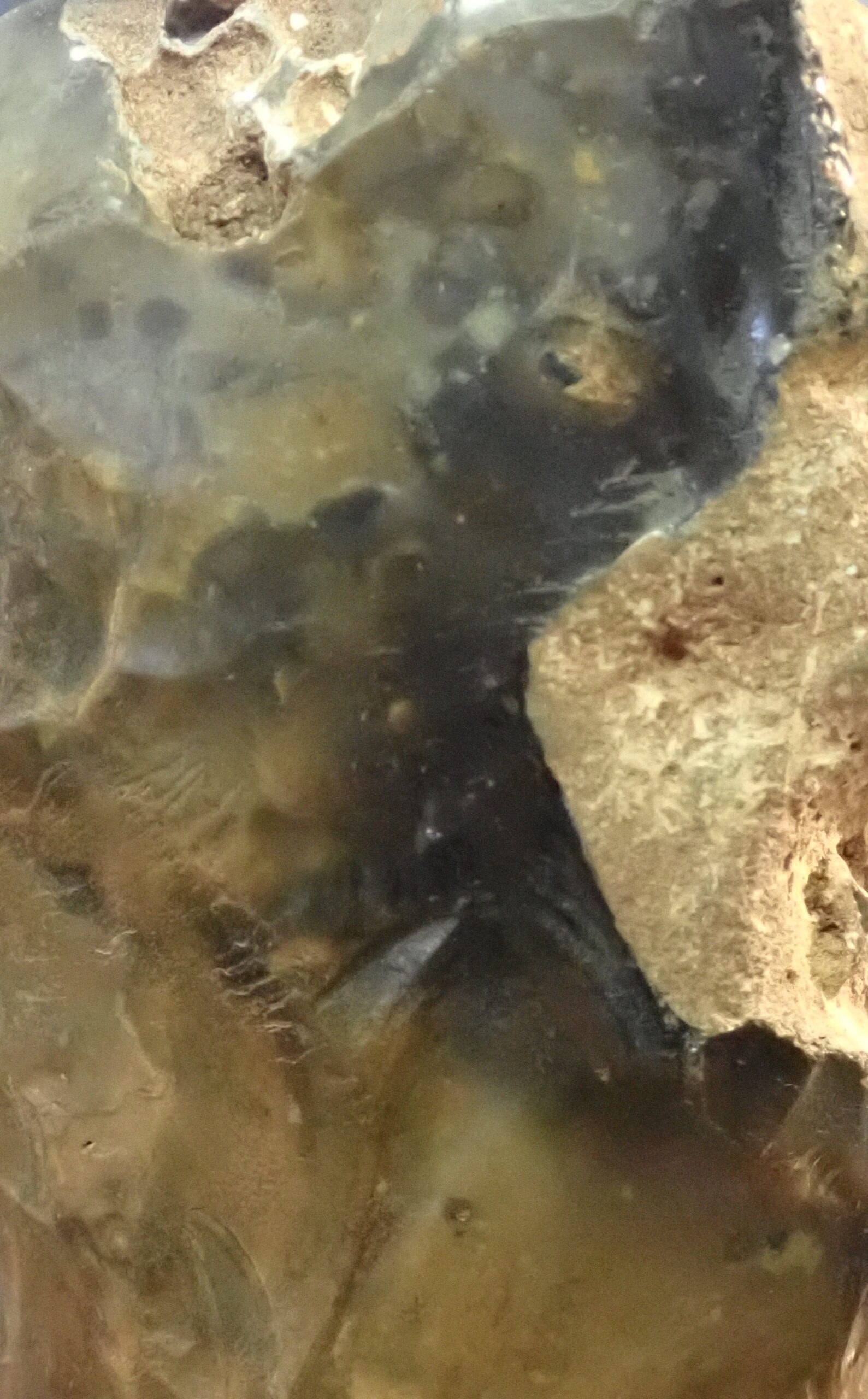
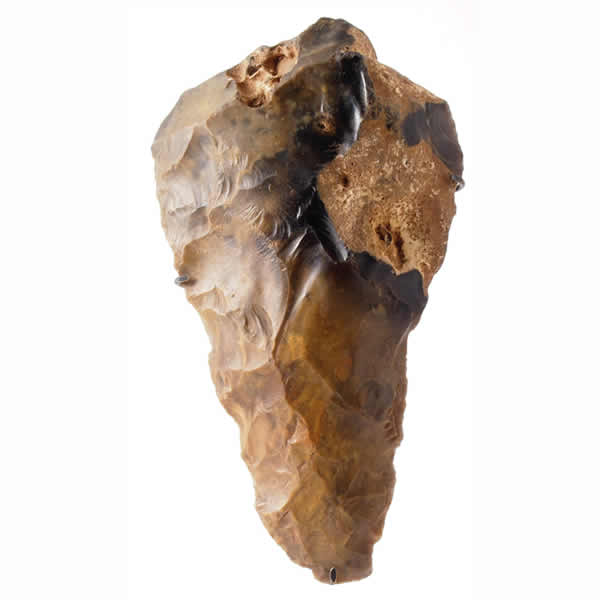
The very oldest object we have in the museum, a flint hand axe, dates back at least 40,000 and possibly even 100,000 years. This was a time when our ancestors were not yet settled, but were hunter-gatherers, searching for food such as wild boar and deer, fishing in the nearby rivers, and using wood as fuel. The axe would have been used to prepare animals for cooking. It is made of a type of flint which is not found in Dorchester, but likely came from the Chiltern Hills, not far away for nomadic people covering long distances. It will have been shaped using another piece of flint, an extremely sharp material, into a very early ‘knife’, and used daily. The axe and several other objects were found in gravel pits in nearby Berinsfield in 1962. It is slightly damaged, and we can only speculate as to whether it was broken or lost or buried thousands of years ago.
To find out more, you can read an article describing the dig when the axe was originally found, published in 1982 in Oxoniensia Vol XLVII, and available online.
PAPER TREASURE
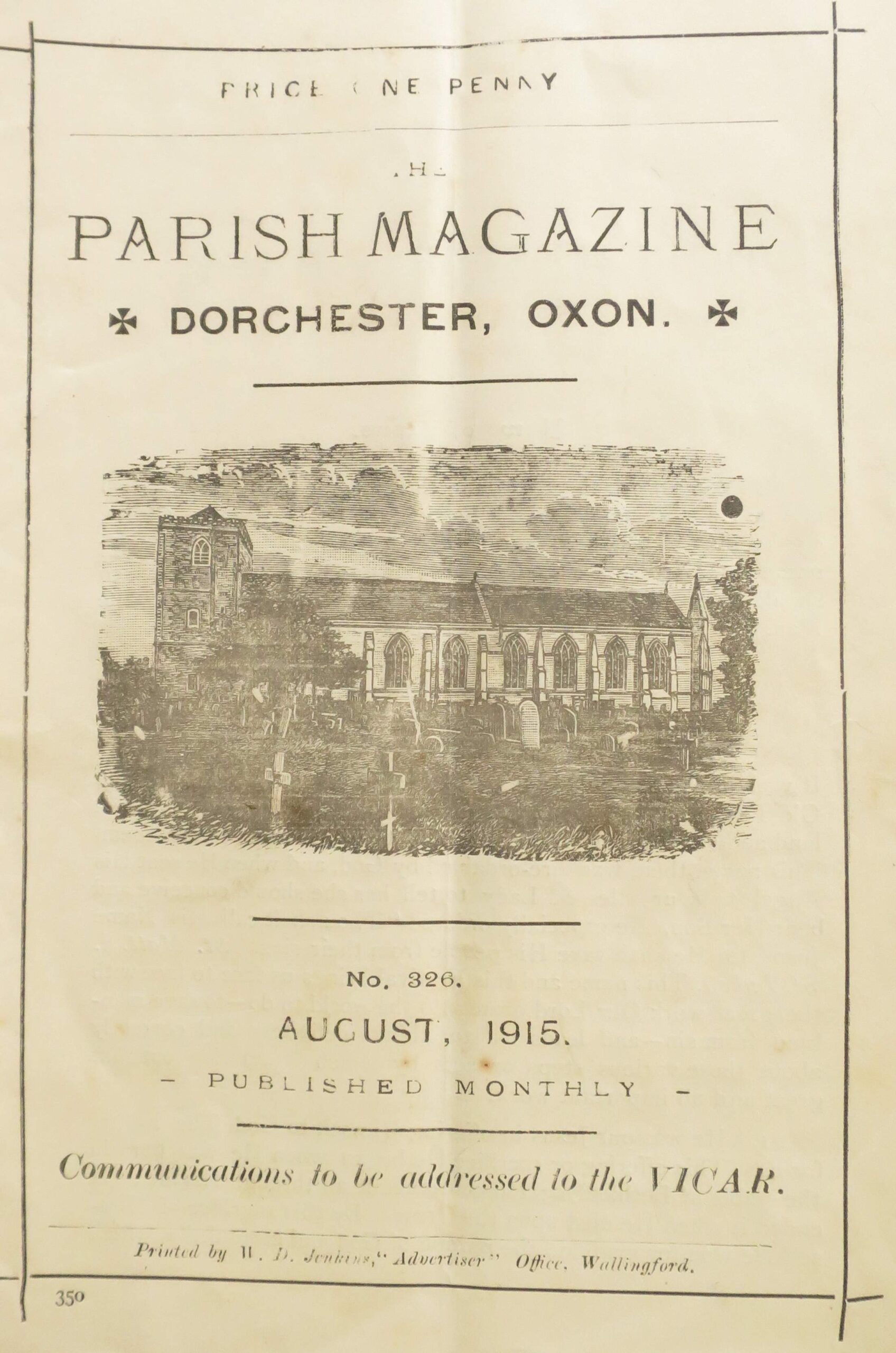

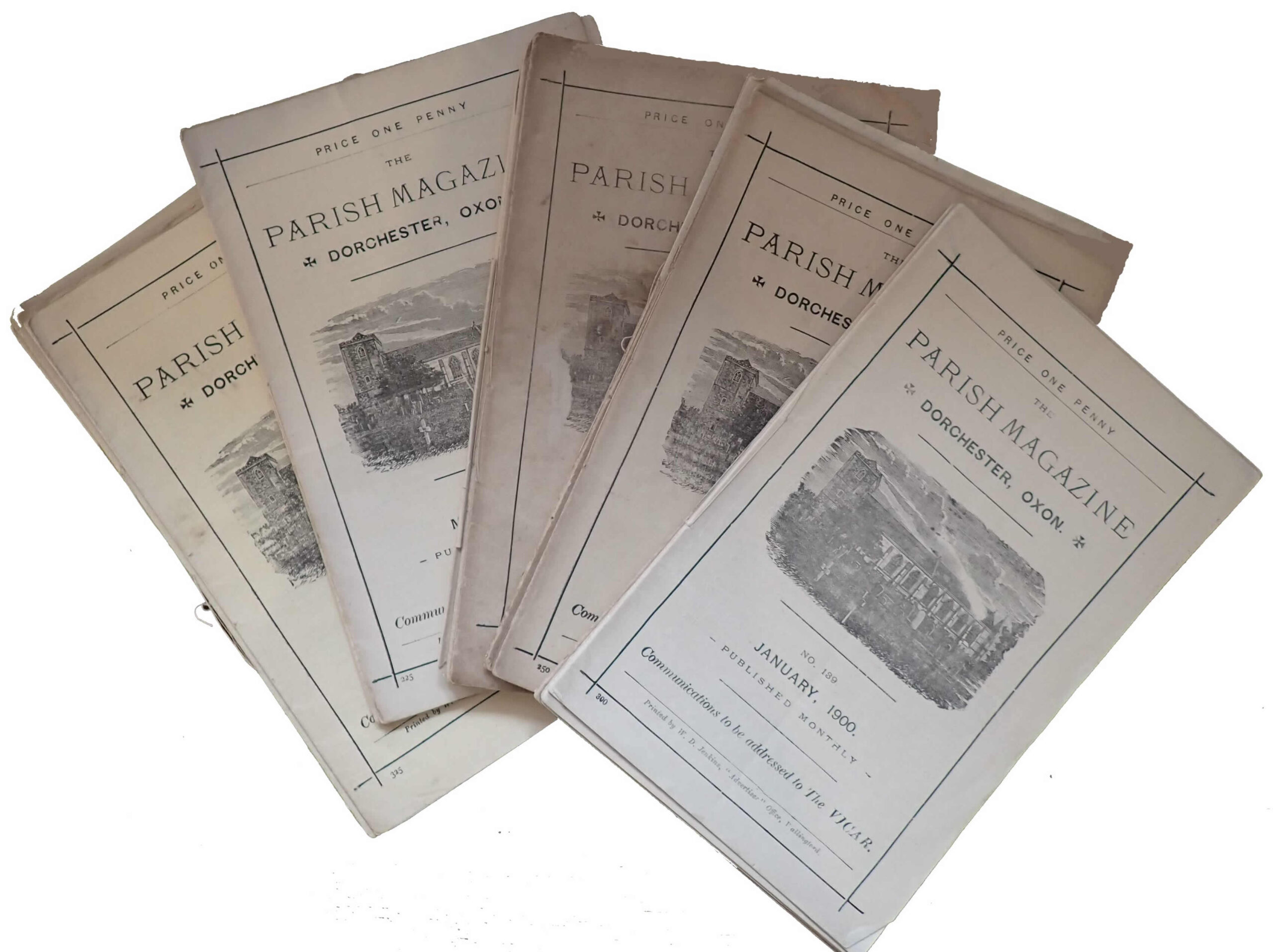
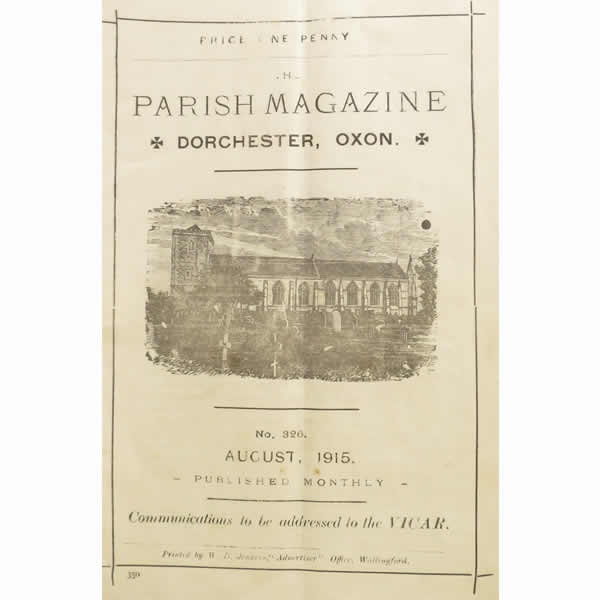
A collection of parish magazines published during 1888-1920 provides a unique insight into village life more than a century ago, and is a local historian’s goldmine. It was established and edited by the then vicar, Revd Nathaniel Poyntz, and reflected his often strongly expressed views on church matters, local government and village events and people.
Many businesses and trades flourished, as did several pubs! Cricket and football were popular, as was a very competitive flower and produce show. Fund raising for charity was a major activity for the more affluent; they ran concerts featuring local talent, set up coal clubs and a maternity society which donated baby clothes and cash to local mothers, and hosted Belgian refugees during WW1. The vicar had strong views that all young men should join up for that war, but then later published a letter from his own son in Mesopotamia describing war as it really was for the serving man.
Sadly, after Poyntz’s death in 1920 there was no parish magazine until the 1960s, but from 1988 there is a continuous run. If you would like to browse the magazines, please email museum@dorchester-abbey.org.uk.
